
WILD

Heart of the global wilderness conservation movement.

  • Home
  • Our Vision
    • About
    • History
    • Nature Needs Half
  • How we work
    • Action
    • Publishing & Arts
    • Convening
    • Policy & Management
    • Intergenerational
    • Training & Capacity Building
  • Where we work
    • Wild Africa
    • Wild Asia
    • WILD Europe
    • Wild Latin America
    • Mind & Heart
    • Wild North America
  • World Wilderness Congress
    • History
    • Accomplishments
    • WWC Chronicles
    • WWC Publication Archive
  • WILD Interactive
    • Blog
    • E-leaf Newsletter
    • Forum
    • Multimedia
  • Support WILD
    • Donate
    • Finances & Effectiveness
    • Creative Ways to Give
    • Legacy Giving
    • Publications & Gear Store
    • Contact Us
  • DONATE NOW
Subscribe

by RSS by Email


Connect with WILD

Facebook MySpace YouTube Twitter


Join Email List
For Email Marketing you can trust

Back to WILD Blog

About

Learn More about our Blog, and who’s behind it.

Categories
  • Books, Magazines & Other Publications
  • Climate Change
  • Communications & Media
  • Field Notes
  • Ian Player Perspectives
  • Intergenerational Blog
  • Mali Elephant Blog
  • Native People & Traditional Cultures
  • Nomkhubulwane Blog
  • PhotoBlogs
  • Policy & Politics
  • Wilderness Designations
  • Wilderness Experience
  • Wildlife
  • WWC

Hydroelectric Dam Threatens Kayapo Terriroty

August 17,2010 by Emily Loose

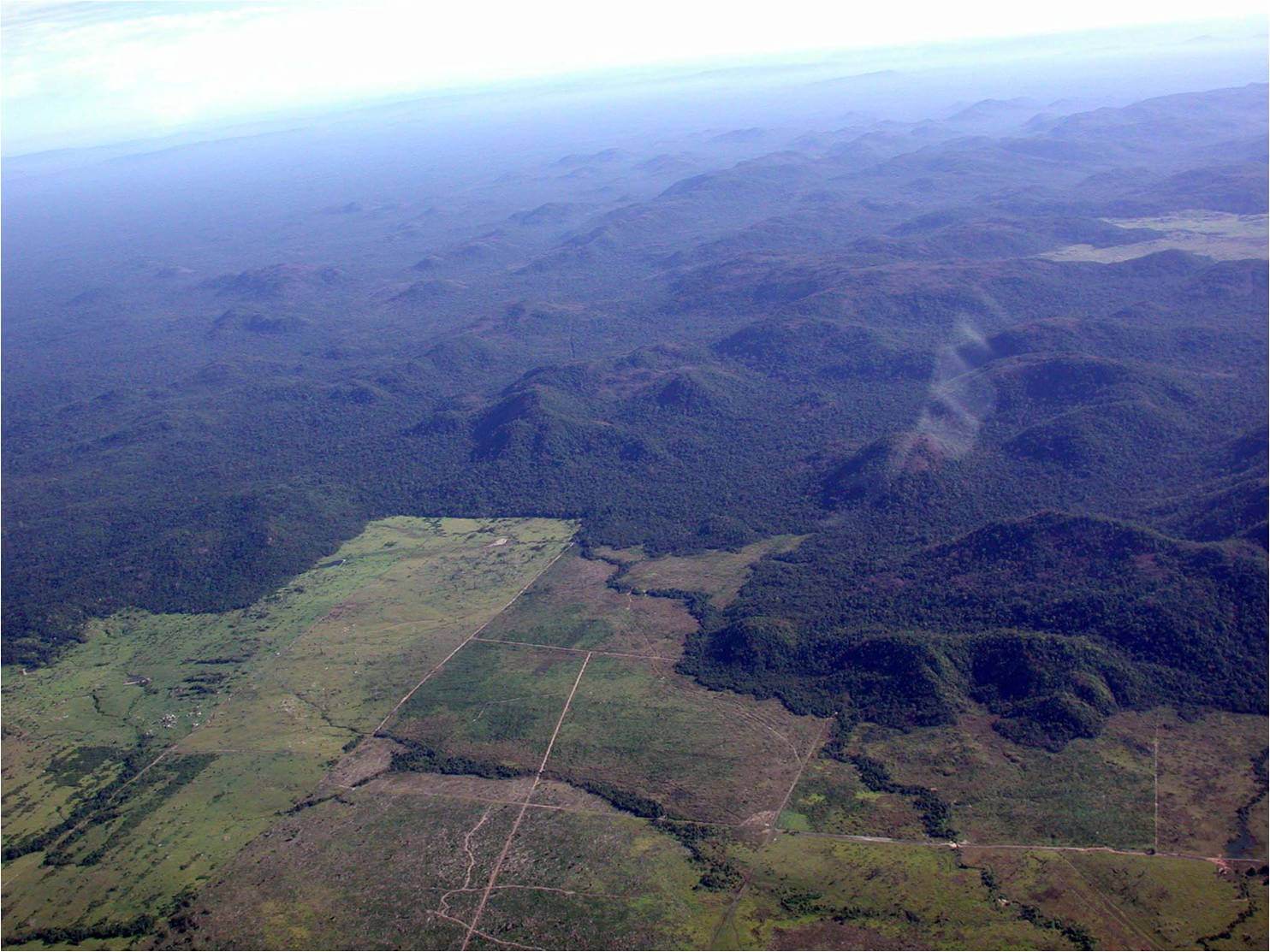
Amazon deforestation

The Kayapo territories span 10.5 million hectares in the Xingu region of southeastern Amazon of Brazil and form possibly the largest single protected tract of tropical forest in the world. The protection of these traditional lands can be traced to an historically warrior culture of the Kayapo, strong leaders and well-developed communal society predicated upon ceremony and symbolism.  Protecting this land is a constant struggle in this lawless region.  The Kayapo constantly need to defend their borders from encroaching ranching, logging, gold-mining and land fraud.  The now have another major battle to face – the construction of a hydroelectric dam.
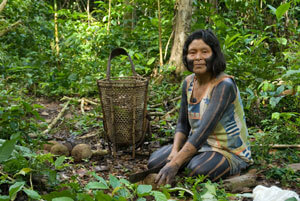
Kayapo, brazil nut collecting

For indigenous groups, the drying out of the Xingu would change life as they know it. The Kayapo and other indigenous groups rely on natural resources, and use these resources in a sustainable manner.   The drastic changes to the entire Xingu basin likely to result from the dam will have profound effects on daily life.  The latest news reports that any planned protest by the indigenous groups may not happen:

“Last week, regional indigenous leaders met here to plan a dramatic occupation of the dam’s construction site, but after four days of discussion failed to produce a consensus, the protest was called off. Members of nongovernmental groups trying to stop the dam are starting to sound resigned.

” ‘The groups are still divided,” said Christian Poirier, the Brazil campaign leader for Amazon Watch, who attended the meeting. ‘There are a lot of political considerations right now for the indigenous leaders. Some have been neutralized by handouts or threats.’ ”

Read more
>

  • email
  • Print
  • Digg
  • Facebook
  • del.icio.us
  • Reddit
  • StumbleUpon
  • Twitter
Share:
  • email
  • Print
  • Digg
  • Facebook
  • del.icio.us
  • Reddit
  • StumbleUpon
  • Twitter
Posted in: Native People & Traditional Cultures, Policy & Politics, Talking WILD
Comments: 0 (Post Comment)

Post your Comment here


Comments are the sole responsibility of their authors. WILD is not responsible, nor will be held liable, for blog comments. WILD reserves the right to delete any comment that is abusive, profane, rude, or considered spam.


Copyright Disclaimer Privacy Statement Bylaws & Articles of Incorporation Terms of Use Contact Us Site Map

We give special thanks to the numerous professional and amateur photographers, many of them from the International League of Conservation Photographers, who generously donate the use of their images. © 2003 – 2012 The WILD Foundation