WILD

Heart of the global wilderness conservation movement.

  • Home
  • Our Vision
    • About
    • History
    • Nature Needs Half
  • How we work
    • Action
    • Publishing & Arts
    • Convening
    • Policy & Management
    • Intergenerational
    • Training & Capacity Building
  • Where we work
    • Wild Africa
    • Wild Asia
    • WILD Europe
    • Wild Latin America
    • Mind & Heart
    • Wild North America
  • World Wilderness Congress
    • History
    • Accomplishments
    • WWC Chronicles
    • WWC Publication Archive
  • WILD Interactive
    • Blog
    • E-leaf Newsletter
    • Forum
    • Multimedia
  • Support WILD
    • Donate
    • Finances & Effectiveness
    • Creative Ways to Give
    • Legacy Giving
    • Publications & Gear Store
    • Contact Us
  • DONATE NOW
Subscribe

by RSS by Email


Connect with WILD

Facebook MySpace YouTube Twitter


Join Email List
For Email Marketing you can trust

About

Learn More about our Blog, and who’s behind it.

Categories
  • Books, Magazines & Other Publications
  • Climate Change
  • Communications & Media
  • Field Notes
  • Ian Player Perspectives
  • Intergenerational Blog
  • Mali Elephant Blog
  • Native People & Traditional Cultures
  • Nomkhubulwane Blog
  • PhotoBlogs
  • Policy & Politics
  • Wilderness Designations
  • Wilderness Experience
  • Wildlife
  • WWC

Protecting Wild Nature on Native Lands, Vol. II now available!

January 17,2012 by MelanieHill

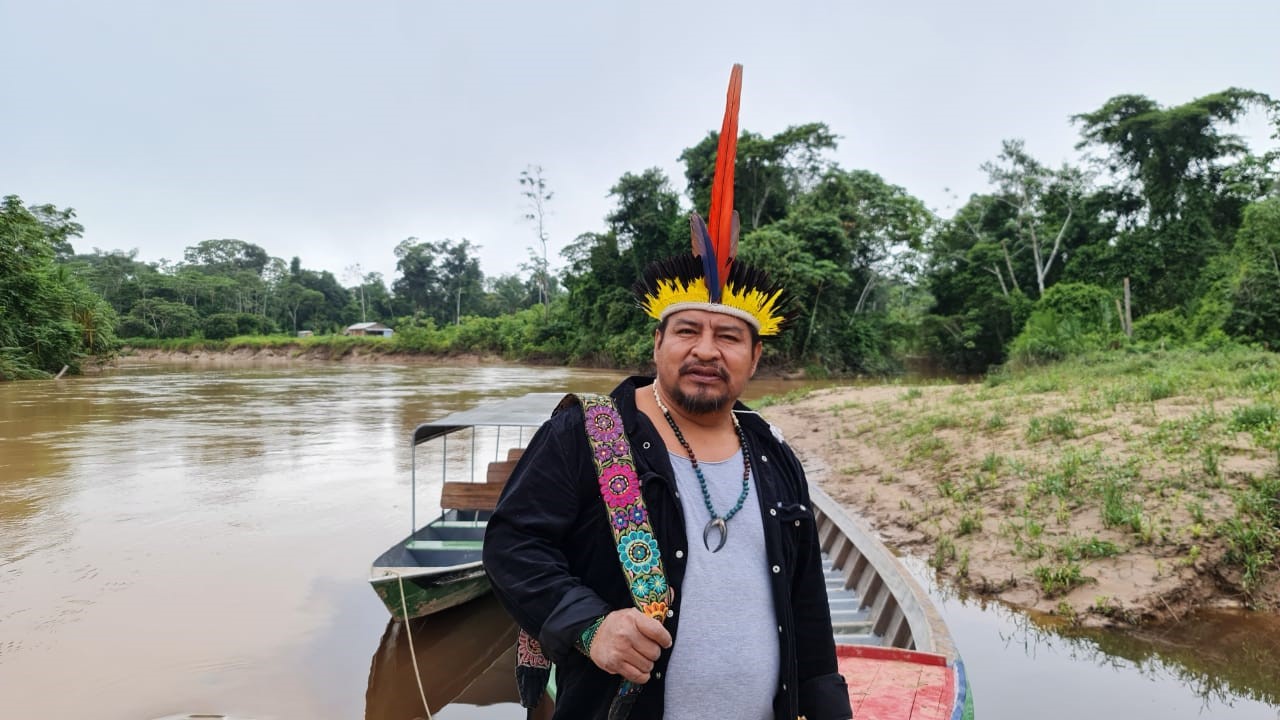
Volume II of Protecting Wild Nature on Native Lands: Case Studies by Native Peoples from around the World is now available as a free download, or for purchase as a hard copy. This volume of case studies is the second in an ongoing series produced through the Native Lands and Wilderness Council (NLWC), a platform for indigenous knowledge exchange and capacity building that ensures that the knowledge and wisdom of indigenous peoples influences the policies, practices and approaches of the global wilderness conservation movement. These case studies highlight indigenous peoples' strategies for coexisting with and managing their wild lands and ... Read More

Global Response Announces Ukok Plateau Campaign

August 11,2011 by Emily Loose
Our colleagues at Global Response - Cultural Survival just announced a new campaign. Launched to coincide with the International Day of the World's Indigenous Peoples, the Ukok Plateau Campaign focuses on an issue that I have recently been learning more about - sacred natural sites.  The International Union for the Conservation of Nature defines sacred natural sites as natural areas of special spiritual significance to peoples and communities.  Many of these sites worldwide have been protected for hundreds of years, but perhaps have not been recognized for their contribution to conservation and biodiversity protection.  The inter-weaving of the environmental and ... Read More

Hydroelectric Dam Threatens Kayapo Terriroty

August 17,2010 by Emily Loose

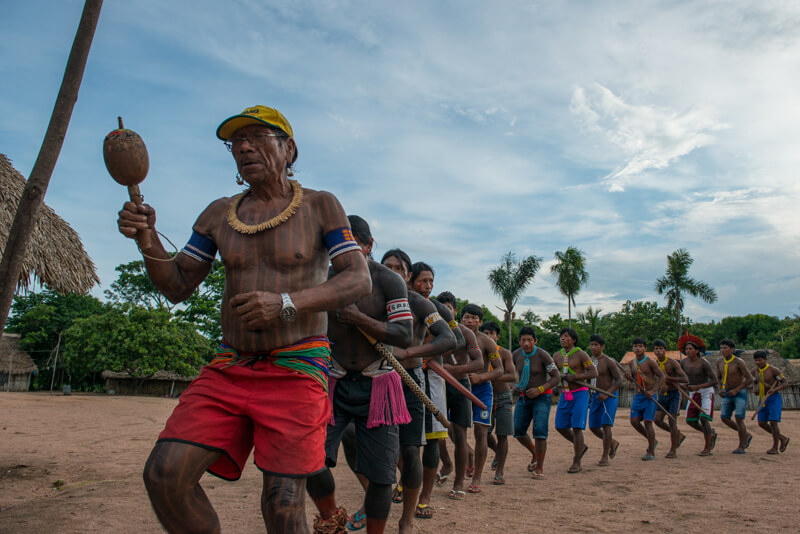
The Kayapo territories span 10.5 million hectares in the Xingu region of southeastern Amazon of Brazil and form possibly the largest single protected tract of tropical forest in the world. The protection of these traditional lands can be traced to an historically warrior culture of the Kayapo, strong leaders and well-developed communal society predicated upon ceremony and symbolism.  Protecting this land is a constant struggle in this lawless region.  The Kayapo constantly need to defend their borders from encroaching ranching, logging, gold-mining and land fraud.  The now have another major battle to face - the construction of a hydroelectric dam. Read More

World Heritage Site Threatened by Coal Mine

August 12,2010 by Vance Martin

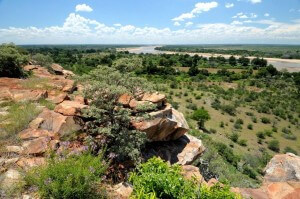
A priceless World Heritage Site in South Africa is highly endangered by an open-cast, coal, strip-mine operating recklessly right on its boundary – and that is now set to expand! Mapungubwe National Park – a World Heritage Site and critically important transfrontier conservation area straddling South Africa, Zimbabwe, and Botswana -- honors and protects the wild, natural area that is the site of “one of the most complex kingdoms that ever existed in Africa”, some 1000 years ago. Read More

The WWC Chronicles – Alfred Sibango

October 22,2009 by Emily Loose

“We are only borrowing resources from our children…everything is in our hands for the future generations.” This powerful and thought‐provoking message comes from the personal account of Alfred Sibango, manager of the Kasika Conservancy on the eastern Caprivi floodplain (Namibia), following his great journey North to participate in the 8th World Wilderness Congress. On a personal level, Alfred was struck by the novelty of coldness and the necessity for warm clothing in the great north of Alaska. On a professional level, the experiences of the Congress have transcended Alfred’s work with Kasika Conservancy – the Congress served as an ... Read More

The WWC Chronicles – Megaron Txukarrama

October 15,2009 by Emily Loose

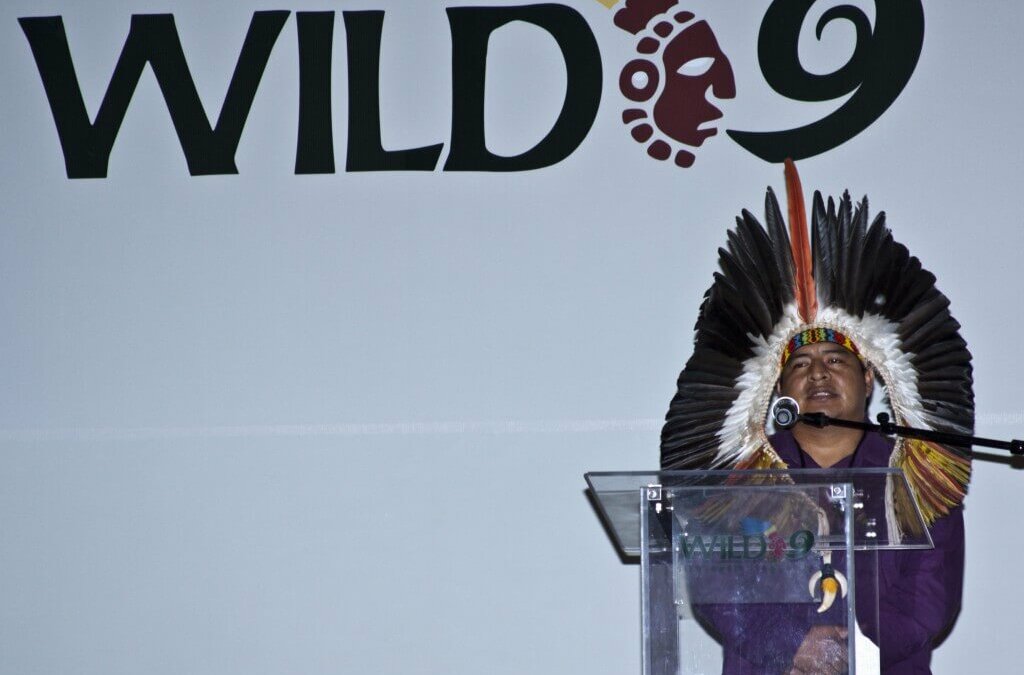
Megaron Txukarramã is no stranger to the perilous battle that wilderness conservation is at times. Megaron is a local chief of the Kayapó Nation, an astonishingly strong and intact traditional society that lives within, protect and manage the Xingu Indigenous Reserve in the Brazilian Rainforest. The Kayapó have warded off numerous development threats, and continuously battle the threats of cultural destruction, food security, habitat degradation and the list goes on… Megaron journeyed with three other Kayapó to Anchorage for the 8th World Wilderness Congress, as part of a sponsored delegation. While in Alaska, they actively participated in the first meeting of ... Read More

Off the Beaten Track – The World’s Least Visited Parks

June 26,2009 by Emily Loose

We all know about the popular park destinations such as Yellowstone NP (USA), Banff NP (Canada), Grand Canyon NP (USA), Sergengti NP ( Tanzania), Sagarmatha National Park (Mount Everest, Nepal), Mount Fuji NP (Japan) and the list goes on.  But, with over 6,555 national parks world-wide (IUCN figure, 2006), there are surely more than a few that are truly "off the beaten track." There are many parks with "wilderness areas," however you define it - but many have no services, no water, no campsites, few trails and are only accessible by floatplane, charter plane or on foot!  These are adventures for ... Read More

Education Without Borders Conference Invites Andrew Muir as Leadership Mentor

February 19,2009 by Emily Loose
Mentoring youth is something that Andrew Muir is very familiar with.  As the Executive Director of our sister organization The Wilderness Foundation (Africa) Andrew is a positive role model and leadership mentor for all of those enrolled in Umzi Wethu. The Umzi program trains AIDS orphans and displaced youth for jobs in the conservation field -- and has a huge wilderness experience component.  These wilderness experiences harness the healing power of wild-nature, and also provide the students with essential leadership tools such as team-work and self-confidence.  Andrew received a 2008 Rolex Award for this ground-breaking and life-changing program. From March 29 ... Read More

A WILD year

January 1,2009 by Emily Loose
Now, I know that WAY too many things happened here at WILD in 2008 to possibly recap in one blog. But I thought I'd go ahead and give a few highlights. This year, we: Provided urgently needed conservation supplies to Angola's Kissama National Park and Chad's Zakouma National Park (Northern Africa); With the International League of Conservation Photographers, launched and implemented Rapid Assessment Visual Expeditions (RAVE) in Bioko and Wyoming; Read More

The Obama Presidency…A Potential Ecological Paradigm

December 9,2008 by Vance Martin
Perhaps we are getting over the "messianic" phase of  the immediate, post-election era.  It is becoming very clear that President-elect Obama will be as pragmatic as he will be change-oriented. We'll thankfully see a whole new attitude on environmental matters--that will not be difficult to accomplish!--but his administration will not be the font of all environmental solutions.    That said, Obama is a transformational figure in US and world politics.  His integration of empowerment, leadership, and diversity is a formula for necessary and potential change, the likes of which we have not seen for very many years.  The environment is one of ... Read More
Page 1 of 41234»


Copyright Disclaimer Privacy Statement Bylaws & Articles of Incorporation Terms of Use Contact Us Site Map

We give special thanks to the numerous professional and amateur photographers, many of them from the International League of Conservation Photographers, who generously donate the use of their images. © 2003 – 2012 The WILD Foundation