
WILD

Heart of the global wilderness conservation movement.

  • Home
  • Our Vision
    • About
    • History
    • Nature Needs Half
  • How we work
    • Action
    • Publishing & Arts
    • Convening
    • Policy & Management
    • Intergenerational
    • Training & Capacity Building
  • Where we work
    • Wild Africa
    • Wild Asia
    • WILD Europe
    • Wild Latin America
    • Mind & Heart
    • Wild North America
  • World Wilderness Congress
    • History
    • Accomplishments
    • WWC Chronicles
    • WWC Publication Archive
  • WILD Interactive
    • Blog
    • E-leaf Newsletter
    • Forum
    • Multimedia
  • Support WILD
    • Donate
    • Finances & Effectiveness
    • Creative Ways to Give
    • Legacy Giving
    • Publications & Gear Store
    • Contact Us
  • DONATE NOW
Subscribe

by RSS by Email


Connect with WILD

Facebook MySpace YouTube Twitter


Join Email List
For Email Marketing you can trust

Back to WILD Blog

About

Learn More about our Blog, and who’s behind it.

Categories
  • Books, Magazines & Other Publications
  • Climate Change
  • Communications & Media
  • Field Notes
  • Ian Player Perspectives
  • Intergenerational Blog
  • Mali Elephant Blog
  • Native People & Traditional Cultures
  • Nomkhubulwane Blog
  • PhotoBlogs
  • Policy & Politics
  • Wilderness Designations
  • Wilderness Experience
  • Wildlife
  • WWC

Marine Protection and Traditional Knowledge

July 16,2010 by Emily Loose

On many of the Pacific Islands, traditional knowledge of managing marine resources is passed down from generation to generation.  This knowledge is critical to the future health of these marine ecosystems, but with new environmental challenges and threats there is an ever increasing need for strategic planning, knowledge sharing and integration of traditional and place-based knowledge with new scientific findings and technological advances.  The 2010 International Pacific Marine Educators Conference, held from 6-9 July on the Fiji Islands addressed this need.
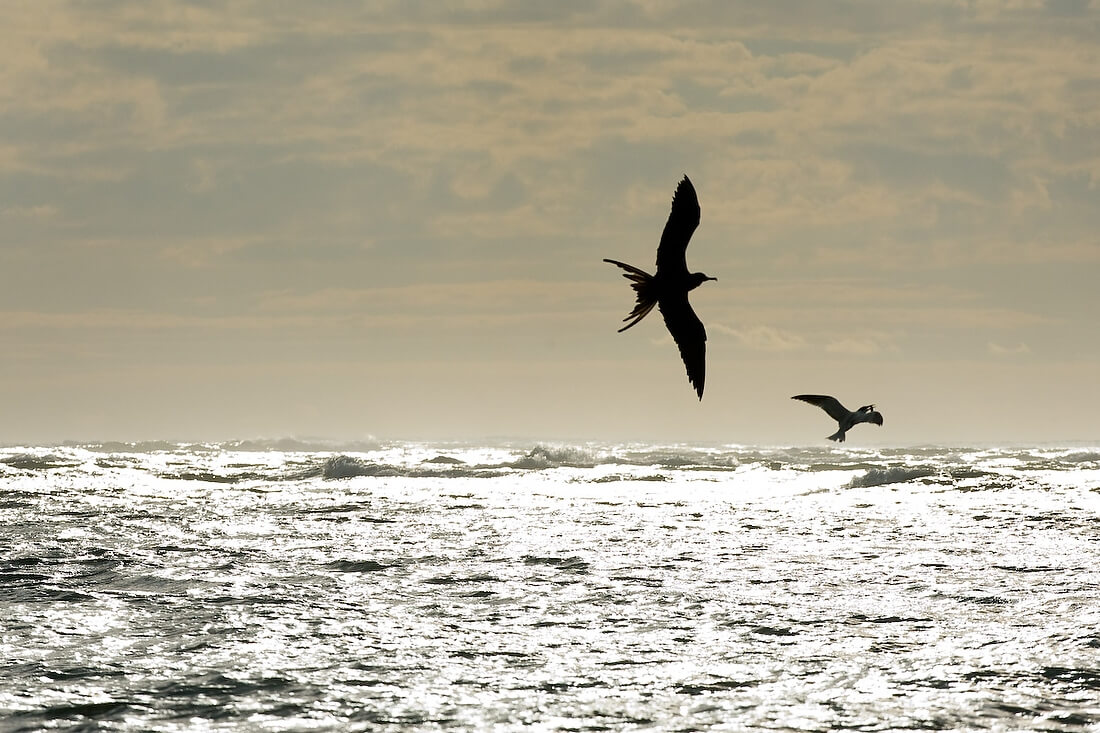
Photo by Jaime Rojo

Hosted by the USP Marine Studies Division and Institute of Applied Science, the conference gathered 87 participants from a dozen countries – all focused on how marine education can help Pacific communities prepare for the new millennium.

“Over the last decade, UNESCO has been working with Pacific communities and governments on a range of programs closely related to the theme of the conference,” noted Dr. Jan H. Steffen, Science Program Officer, UNESCO Office for the Pacific States. These include documentation of traditional knowledge, marine biodiversity conservation in Biosphere Reserves, traditional navigation and boat building, school-based monitoring of coastal erosion and coastal community education, and the conservation of Pacific cultural and natural heritage among others.

At the close of the conference, participants made commitments to projects including a youth forum between Fijian and Australian schools to share knowledge and gain understanding of traditional values.   The 2010 IPEM conference presentations will be available on the College of Exploration website.

It is exciting to see such initiatives that encourage trans-boundary communication and collaboration and also working on the topic of protecting marine environments.  WILD’s Marine Wilderness Collaborative is working diligently to define wilderness and wilderness management objectives for marine environments.  I think that globally, communities are becoming more aware of the importance of protecting our oceans and news such as the IPEM conference confirm this positive, focused attention on marine ecosystems.  You can read the full press release on the International Pacific Conference online >

  • email
  • Print
  • Digg
  • Facebook
  • del.icio.us
  • Reddit
  • StumbleUpon
  • Twitter
Share:
  • email
  • Print
  • Digg
  • Facebook
  • del.icio.us
  • Reddit
  • StumbleUpon
  • Twitter
Posted in: Talking WILD
Comments: 0 (Post Comment)

Post your Comment here


Comments are the sole responsibility of their authors. WILD is not responsible, nor will be held liable, for blog comments. WILD reserves the right to delete any comment that is abusive, profane, rude, or considered spam.


Copyright Disclaimer Privacy Statement Bylaws & Articles of Incorporation Terms of Use Contact Us Site Map

We give special thanks to the numerous professional and amateur photographers, many of them from the International League of Conservation Photographers, who generously donate the use of their images. © 2003 – 2012 The WILD Foundation