
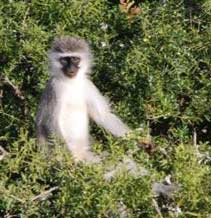
Vervet Monkey "on watch" at top of a spekboom thicket, Eastern Cape, SA
Wilderness and climate change is not just about saving tropical forests in the Amazon. It is also about restoring wildland qualities (world-wide) that have been destroyed, and in the process increasing carbon sequestration capacity and increasing what are called “ecosystem services” (the many ways in which nature supports human society). Wildlands restoration is being done in many places around the globe. It can be as sophisticated and visionary as the well-known, very accomplished Trees for Life project in NW Scotland, or it can be very local, such as tree planting to restore watershed values in your local area.
Our Wilderness Network is determined, however, to create multiple benefits from simple conservation projects. Our sister organization in South Africa, the Wilderness Foundation, is working on an innovative, practical project with significant importance in mitigating climate change (and addressing social issues) by using a scrubby little bush endemic to the Eastern Cape in South Africa, the spekboom (from Afrikaans, literally meaning the Bacon Tree), or Porkbush. It’s an amazing plant. Its botanical name, portulacaria afra, shows that it is a cousin to the delightfully colourful, sun-loving creeping garden plant called portulaca (Moss Rose), and the common wild plant, purslane. 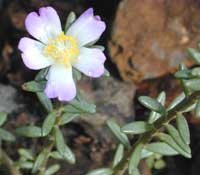 Spekboom is eagerly devoured by elephant in the Eastern Cape, covers vast areas of hillsides and…according to several years of scientific research in South Africa…sequesters (or absorbs and retains) as much or more carbon as do tropical forests.
Our close colleagues at the Wilderness Foundation use the spekboom as the key part of one of their signature projects to link conservation goals with social needs. Their latest innovative project employs disadvantaged and jobless people, fights climate change, enlists the private sector in conservation, and restores wildlands! Check it out..Eyeware firm takes green view of Eastern Cape.